Casting Simulation
Pre-production thermal and fluid flow analysis using casting simulation software. We model the filling sequence, cooling rate and solidification pattern, and predict shrinkage cavities, porosity and hotspots before pouring metal. Simulation reduces trial castings, scrap and lead time on critical or high-value parts.
• Critical parts where internal soundness is specified (UT inspection required)
• High-value castings where scrap cost justifies simulation investment
• Complex geometries with thick-to-thin section transitions
• New part designs without previous casting history
• Parts requiring feeder optimization to reduce machining stock
From Drawing to Simulation
Part geometry imported from customer drawing or 3D model
Sprue, runner, gate and feeder system modelled
Finite-element mesh created for thermal analysis
Filling, solidification and cooling analysed
Shrinkage, porosity and hotspot locations identified
Feeder positions adjusted to eliminate defects
Simulation adds 2–4 days to initial setup but can eliminate weeks of trial casting iterations. On critical parts or complex geometries, the first-time-right rate increases significantly.
Solidification & Temperature, Before the First Pour
Two runs from a feeder study. The fraction-solid sequence shows where the last liquid metal sits and how each feeder keeps it fed; the temperature field shows the cooling path through every change of section. Critical geometries are reviewed like this before a pattern is made.
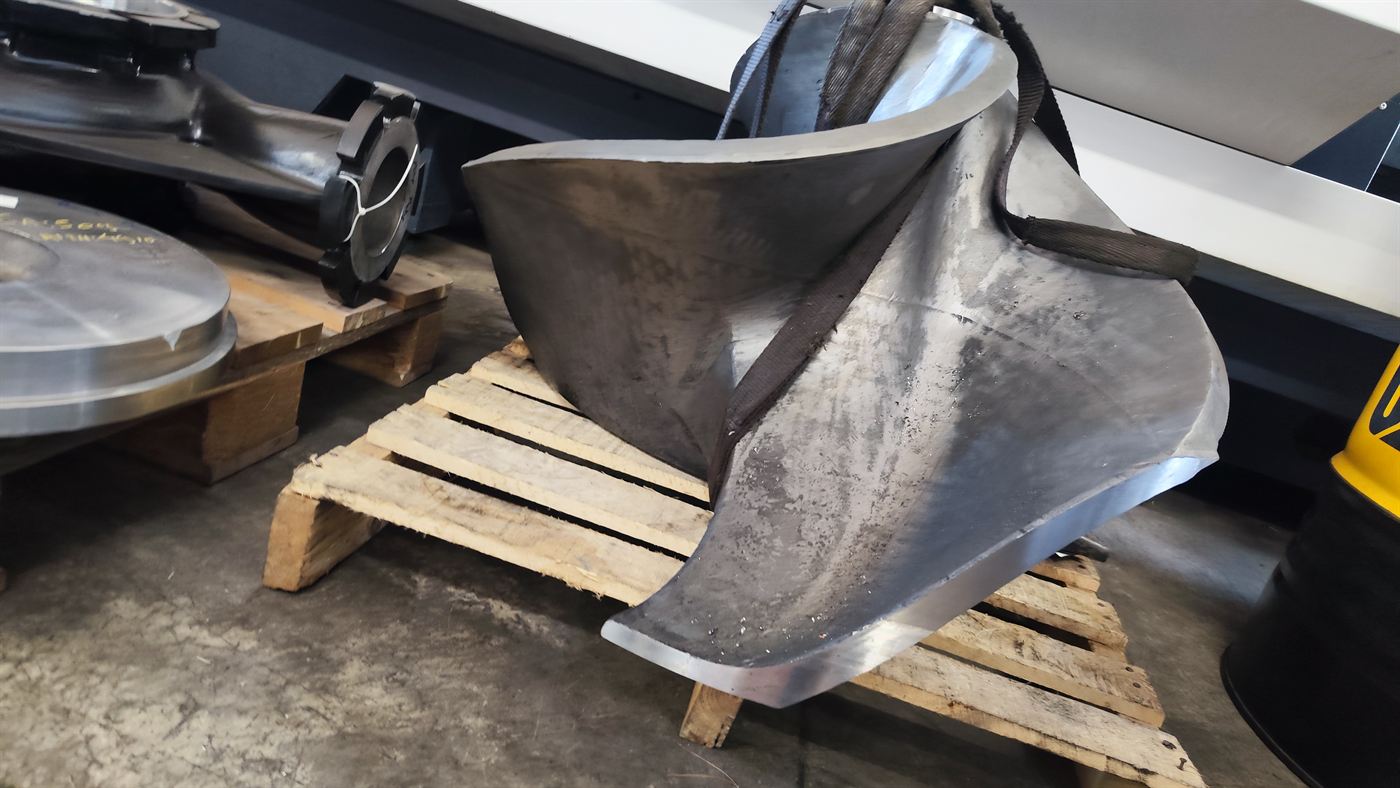
Pulper rotor, simulated then cast
Temperature field during solidification of a pulper rotor, and the rotor cast in INOX 316.